01
Package and installation
Equipment, measurement points and installation conditions documented in the proposal, with a defined vessel scope.

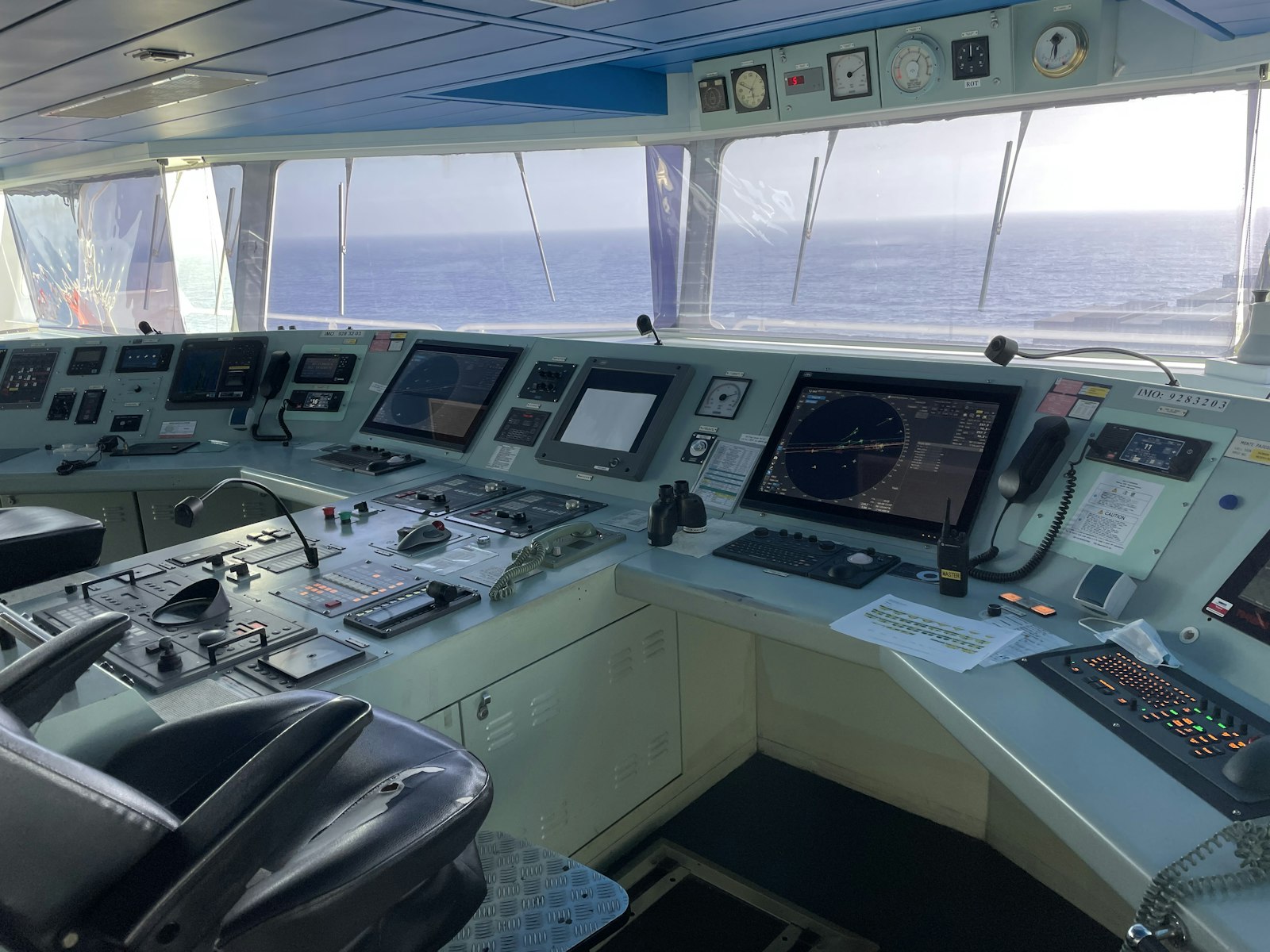
Get a clear view of your vessel's operations, with indicators, history and alerts brought together in one platform.
Onboard
information for the vessel crew
Ashore
remote view to follow the fleet
Data
indicators, history and alerts
0
native languages: Portuguese, English and Spanish
Examples of monitoring supported by the platform. Measurement points, enabled features and usage conditions are defined in the contracted package.
Equipment, measurement points and installation conditions documented in the proposal, with a defined vessel scope.
Indicators, alerts and history in one dashboard so the crew can follow vessel parameters.
Per-tank inventory corrected for trim, heel and temperature, net consumption per engine, mass balance and reconciliation of bunkering and deliveries.
Consumption by operating mode, engine baselines and explainable suggestions for speed, trim, route and power load. The decision always belongs to the crew.
Superintendents, owners and charterers follow the fleet with the age of every reading in view, push and email alerts, and exports.
View and export information through enabled features, with records of incidents and follow-up.
Electronic fuel management for offshore support vessels and commercial fleets: from the radar in the tank to the monthly report, on the same data base on board and ashore.
Vessel Tech · Monitoring display
Demo vessel
Fuel on board
312.8m³
Cargo diesel 486.0 m³
Consumption now
452kg/h
Consumption per mile
47.1kg/nm
Endurance
24days
Total consumption · last 24 h
kg/h
Engines · net consumption
AlarmMass balance: −0.62 m³ in 24 h (limit 0.50 m³)
Probable source: tank No.2 Wing BB, no transfer recorded.
WarningMCP BE: specific consumption +4.0% above baseline
InfoSpeed suggestion available: 8.7 kn
Diesel oil tanks
Volume corrected for trim, heel and temperature (15 °C)
Trim
0.42 m
Heel
0.3° BB
Total on board
312.8 m³
Cargo diesel
486.0 m³
Free space for bunkering
214.5 m³
Oil condition
Lubrication circuits · overview
Main engine · port
Main engine · starboard
Auxiliary engine
Current oil condition
Good
Within the reference range
900
Condition index · example
Oil temperature
65.4 °C
Configured range
800–1,100
Last reading
10:42:18
Reading received
Condition history
Last 6 hours
Sensor index · scale defined by the oil profile
Vessel Tech · Monitoring display
Demo vessel
Consumption and power
Net consumption per engine = supply − return, measured by flow meters
204kg/h
Specific consumption
201 g/kWh · +0.6%
206kg/h
Specific consumption
206 g/kWh · +4.0%
41kg/h
Specific consumption
215 g/kWh · +1.2%
—kg/h
Specific consumption
—
Specific consumption × load · MCP BE
g/kWh
Electrical balance
162kW demand
Suggestion · power load
Analysis scenario: main engines at 82% load and 9.6 kn. No application to equipment.
Estimated difference
−38 kg/h · 0.91 t/day
Software acknowledgement; no changes to alarms or equipment.
Vessel Tech · Monitoring display
Demo vessel
Route, speed and trim
Advisory scenario comparison. No commands are sent to the vessel.
Voyage in progress
Port → offshore unit
Suggestion · just-in-time speed
confidence 91%8.7kncurrent 9.6 kn
8.7 kn arrives at 19:19, within the unit's window, and avoids waiting at the approach point
| Direct route | Optimized route | |
|---|---|---|
| Distance | 83.0 nm | 85.3 nm |
| Average current | 0.7 kn | 0.3 kn |
| Waves | 1.8 m | 1.4 m |
| Travel time | 8 h 39 | 9 h 10 |
Software acknowledgement; no changes to alarms or equipment.
Vessel Tech · Monitoring display
Demo vessel
Discrepancy alerts
Continuous mass balance and integrity checks, with an audit trail
Alarm12:51
Mass balance: −0.62 m³ in 24 h (limit 0.50 m³)
Warning11:58
Flow meter × ECM of MCA BB: 5.9 % difference
Warning11:20
MCP BE: specific consumption +4.0% above baseline
Info10:05
Speed suggestion available: 8.7 kn
AlarmMass balance · since 09:40
since 12:51−0.62m³ · 24 h
Expected inventory
312.95 m³
Measured inventory
312.33 m³
Difference
−0.62 m³
Limits in force
Probable source
Tank No.2 Wing BB lost 0.48 m³ since 09:40 with no transfer recorded. Transfer pumps stopped and cross-over valves closed.
Recommended actions
Software acknowledgement; no changes to alarms or equipment.
Fleet
Last 24 hVessels in sync
3/4
Open alerts
2
Fleet consumption today
38.6 t
PSV Bravo · mass balance out of limit
12:51OSV Charlie · link restored, 14 min synced
12:37Bunkering and deliveries
Bunker delivery note × flow meter × tank variation · last 30 days
Received
600.64 m³
2 events
Delivered to units
142.88 m³
3 events
Outside the 0.5 % limit
1/5
Largest divergence
−1.40 %
BDN 2027-04182
| Date | Type | Document | Declared | Flow meter | Tanks | Difference | Status |
|---|---|---|---|---|---|---|---|
| 18/03 06:10 | Receipt | BDN 2027-04471 | 185.00 | 184.31 | 184.66 | -0.37 % | Within limit |
| 17/03 15:20 | Delivery | SOL 2027-0317 | 60.00 | 59.82 | 60.21 | +0.65 % | Closed with justification |
| 12/03 10:30 | Delivery | SOL 2027-0312 | 45.00 | 45.10 | 45.31 | +0.46 % | Within limit |
| 09/03 08:40 | Receipt | BDN 2027-04182 | 220.00 | 216.92 | 217.01 | -1.40 % | Divergence · protest |
| 03/03 14:05 | Delivery | SOL 2027-0303 | 38.00 | 37.96 | 38.09 | +0.34 % | Within limit |
Receipt · BDN 2027-04182
−1.40 % · −3.08 m³ against the BDN
Flow meter rate (m³/h)
Stop detected · 3 × 14 min
Efficiency reports
Example report from onboard records, subject to enabled features and available data.
Consumption this month
208.6 t
Against the contract
+1.8 %
In transit
46.5 kg/nm
Average specific consumption
203 g/kWh
CO₂ emissions
668.8 t
Consumption rate by mode × contract · t/day
Contractual · Actual = value
Daily consumption by mode · t
Specific consumption × baseline · weekly variation corrected for load
+1.4 %
+2.9 %
+1.9 %
+1.0 %
Highlights and recommendations of the month
Vessel Tech
12:51Alarm · Demo vessel
Mass balance: −0.62 m³ in 24 h (limit 0.50 m³)
Demo vessel
Onboard data 12 s oldFuel on board
312.8 m³
Consumption now
452 kg/h
Endurance
24 days
Consumption per mile
47.1 kg/nm
Voyage in progress
Port → offshore unit
Estimated scenario: 8.7 kn, arrival within the window and a 0.32 t difference
Views of operations, on board and ashore
Vessel Tech · Monitoring display
Demo vessel
Fuel on board
312.8m³
Cargo diesel 486.0 m³
Consumption now
452kg/h
Consumption per mile
47.1kg/nm
Endurance
24days
Total consumption · last 24 h
kg/h
Engines · net consumption
AlarmMass balance: −0.62 m³ in 24 h (limit 0.50 m³)
Probable source: tank No.2 Wing BB, no transfer recorded.
WarningMCP BE: specific consumption +4.0% above baseline
InfoSpeed suggestion available: 8.7 kn
Demonstration — fictitious data and features subject to the contracted package
Fuel on board, consumption now, consumption per mile and endurance, with the detected operating mode.
Supply minus return, measured by flow meters, for every main and auxiliary engine.
Continuous mass balance and integrity checks, with acknowledgement and an audit trail.
Between laboratory analyses, follow oil trends, review history and receive alerts to support maintenance.
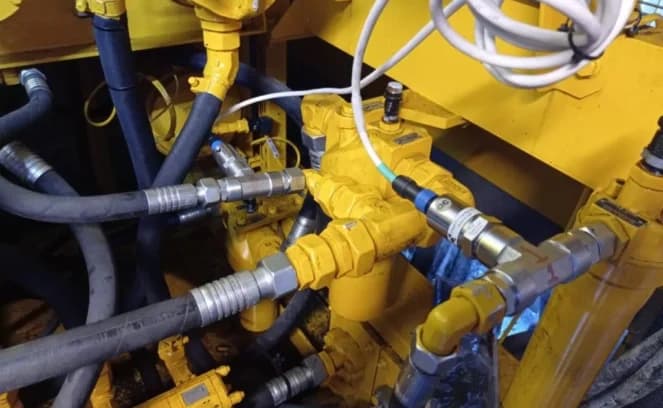
The sensor tracks changes in oil properties. The platform groups readings by equipment so your crew can review trends and configured limits.
Monitoring according to the measurement points and features in the vessel package.
Oil condition
Lubrication circuits · overview
Main engine · port
Main engine · starboard
Auxiliary engine
Current oil condition
Good
Within the reference range
900
Condition index · example
Oil temperature
65.4 °C
Configured range
800–1,100
Last reading
10:42:18
Reading received
Condition history
Last 6 hours
Sensor index · scale defined by the oil profile
Monitoring screen demonstration · illustrative readings and limits
Follow changes in oil properties, including significant viscosity changes, through the condition index.
Water and particles can affect reading patterns. History helps identify changes that warrant investigation.
Review condition trends and alerts to assess oil changes and plan checks with the responsible team.
Illustrative examples of onboard data analysis. Each function depends on the features enabled in the package.
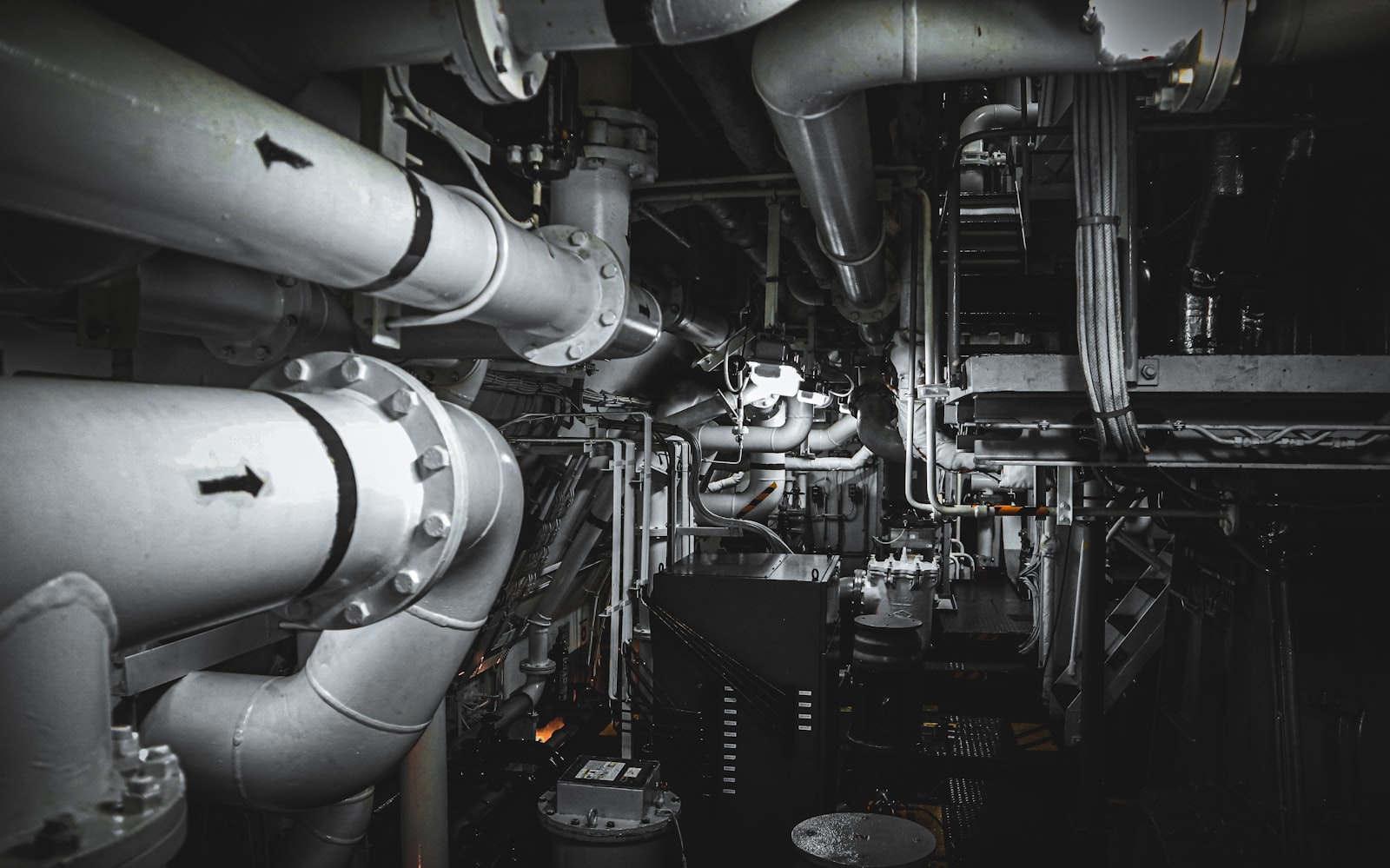
The screenAlert with probable source
Alarm
12:51Not acknowledgedMass balance: −0.62 m³ in 24 h (limit 0.50 m³)
Expected inventory
312.95 m³
Measured inventory
312.33 m³
Difference
−0.62 m³
Probable source
Tank No.2 Wing BB lost 0.48 m³ since 09:40 with no transfer recorded. Transfer pumps stopped and cross-over valves closed.
Demo with fictitious data; features depend on the contracted package
A tank level drops slowly, with no transfer recorded. In the end-of-day spreadsheet the difference turns into an argument — or goes unnoticed.
With Vessel TechHistory and balance help identify a discrepancy, review evidence and guide checks by the crew.

The screenBunkering reconciliation
Receipt
BDN 2027-04182Divergence · protestDeclared
220.00 m³
Flow meter
216.92 m³
Tanks
217.01 m³
−1.40 %· −3.08 m³ against the BDN
Demo with fictitious data; features depend on the contracted package
The bunker delivery note states one volume and the tank shows another. Without measurement at reception, it's one party's word against the other's.
With Vessel TechDelivery note, flow meter and tank variation side by side, with density and temperature. Outside the limit, the record backs up the claim.

The screenEngine baseline
Specific consumption × baseline · weekly variation corrected for load
MCP BEOn alert+2.9 %Specific consumption · Baseline
Load
80 %
Specific consumption
206 g/kWh
Baseline
198 g/kWh
MCP BE 2.9 % above baseline since the third week: injector inspection at the next stop.
Demo with fictitious data; features depend on the contracted package
Specific consumption rises half a point a week. Nobody notices until the monthly fuel bill or the unplanned stop.
With Vessel TechEach engine is compared with its own baseline at the same load. The trend shows up before the limit and the inspection goes into the next stop.
The proposal brings together the equipment, measurement points and monitoring features included in the solution. Installation accounts for vessel conditions within the package scope.
Monitoring according to measurement points and features defined in each vessel's package.
PSVs, OSVs, tugs and service vessels: fuel, consumption by operating mode, deliveries to offshore units and reports for the charterer.
Consolidated fleet view and indicator monitoring by authorized teams, according to enabled features.
Owner or captain monitoring of the readings included in the vessel's package.
Flow rate, level, temperature and equipment status, with readings and alerts for the measurement points included in the package.
Tank levels, corrected volume, temperature and mass, with tracking of bunkering, deliveries and transfers.
Engine supply and return flow, with flow-rate readings and consumption monitoring.
Operating hours, speed, load and power to track engine and generator use.
Electrical demand, running generators and consumption, according to the package instrumentation.
Vessel position, speed and heading, with navigation information in one dashboard.
Water presence, bilge level and pump status, with alerts for the responsible crew.
Condition index, temperature and history to follow changes in the oil and support maintenance.
Readings from the package’s temperature measurement points, with trends and threshold alerts.
States such as on/off and open/closed, alongside continuous values from the monitored points.
Online
connectivity requiredThe package requires internet. During an interruption, remote updates pause; local storage and recovery operate within the installation's validated limits.
Data
to support decisionsFollow indicators, review history and understand alerts to assess each situation more clearly.
0
source: measured, calculated or estimatedThe system shows whether a value is measured, calculated or estimated, with its quality and age. Missing measurement shows as missing, never as a nice-looking number.
Review the package indicators and alerts on the onboard display and portal. Remote updates depend on an active connection; each reading's timestamp helps you assess the situation.

Equipment, measurement points and features are documented in the package proposal. The offering does not include open-ended integration with existing third-party systems or sensors.

Tell us the vessel type, number of vessels and available connectivity. Our team will explain the scope and installation conditions.